
Gardening for Mindfulness and Stress Relief
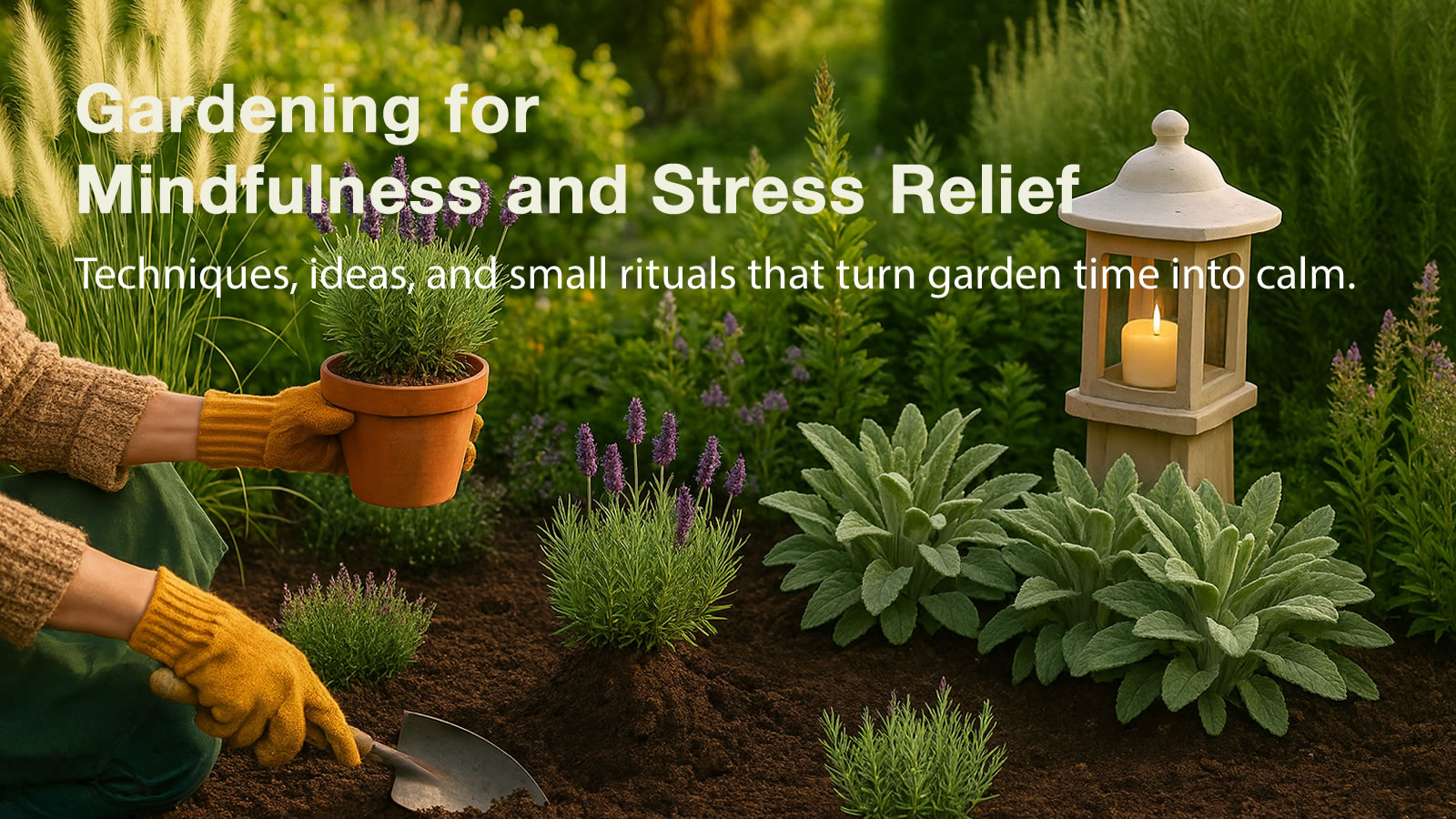
Why mindfulness belongs in the garden
The act of gardening naturally lends itself to mindfulness. The repetitive rhythm of digging, sowing, watering, and pruning encourages a slower pace and full attention to the present moment. In a world driven by screens and constant noise, time spent in the garden offers a rare opportunity to connect with silence, texture, and growth.
Mindful gardening isn't about achieving perfection or immaculate borders; it's about noticing the small details that often go unseen - the smell of damp soil after rain, the sound of bees working through lavender, the shift of sunlight on foliage. When you engage your senses this way, the garden becomes not a project, but a practice.
Benefits for mental health
- Reduced stress hormones: Studies show that gardening for 30 minutes can lower cortisol levels more effectively than reading indoors.
- Improved focus: Caring for plants builds gentle concentration, helping those who struggle with anxiety or racing thoughts.
- Physical grounding: The tactile contact of soil and roots reconnects the body to the natural world, counteracting digital fatigue.
- Creative satisfaction: Watching something you've planted flourish restores a sense of agency and accomplishment often missing from desk-based work.
Over time, these benefits compound. Many therapists now incorporate horticultural activities into recovery programs precisely because gardening engages both movement and mindfulness - exercise for body and calm for mind.
Simple techniques for mindful gardening
You don't need special training to practice mindfulness outdoors. The goal is to cultivate awareness rather than productivity. Try these approaches:
- Start each session with intention: before picking up tools, pause and decide how you want to feel - relaxed, grateful, curious. Let that intention guide your pace.
- Engage all senses: notice fragrance, texture, temperature, sound. Describe them silently as you work.
- Slow your movements: deliberate actions quiet mental chatter. Even simple watering becomes a moving meditation.
- Work without outcome: allow imperfections; pull a few weeds, then sit and observe. There is no "done."
Practicing mindfulness in the garden transforms chores into grounding rituals. You'll find yourself breathing more deeply and leaving behind the need to rush.
Planting ideas that soothe the senses
Certain plants naturally evoke calm through scent, texture, or colour. A sensory planting scheme enhances the mindfulness experience by encouraging observation and touch.
- Lavender and rosemary: aromatic evergreens with proven relaxation benefits.
- Soft foliage: lamb's ear (Stachys byzantina) and silver sage invite gentle contact.
- Grasses and movement: Stipa and Pennisetum create a visual rhythm that echoes breath.
- Cool colour palette: blues, greens, and silvers foster spaciousness and quiet.
- Night fragrance: nicotiana and evening primrose reward those who linger outdoors at dusk.
Arrange plants in repeating drifts rather than single specimens. The repetition provides visual harmony - a cue for the nervous system to relax.
Creating rituals of calm - from breath to candlelight
Once you've tended the soil and watered your plants, take a few minutes to mark the moment. Simple closing rituals help your mind recognise that this is time set apart for restoration.
Some gardeners keep a small table or stone plinth as a mindfulness corner - a place for tea, journaling, or quiet reflection. Others light a candle to signal gratitude for the day's growth. That single flame serves as a reminder that awareness, like fire, needs gentle attention to keep burning.
Mindfulness bonus: after watering, mark the moment with a single intention candle to help your mind switch from doing to resting. Learn how to use intention candles.
Whether it's tending seedlings or lighting a candle at dusk, both practices share a core idea: intention transforms ordinary acts into nourishment for the spirit.
FAQs
Do I need a large garden to practice mindful gardening?
No - a balcony, windowsill, or community plot is enough. Mindfulness depends on presence, not size.
How long should I spend each session?
Even ten minutes of slow, intentional activity can reset your mood. Consistency matters more than duration.
What if I get distracted?
Distraction is part of the practice. Notice it kindly, return to what your hands are doing, and continue.
Further reading & sources
Related guides on Growing Nicely
- How to Grow Hardy Annual Flowers from Seed
- The Best Flowering Climbers for Fences
- Gorgeous Plants & Ideas from Marksall Garden
- Easy Elderflower Cordial
Where to buy & trusted references
Prefer to extend your calm indoors? Explore
intention candles on Amazon
- simple rituals and scented candles designed for focus and relaxation.
Some links are sponsored; this doesn't affect our recommendations.